


Noah ES Member Company Focus
“Practices don’t need more features. They need fewer bottlenecks. That’s what we build for.”
At Amplify OMS, they have a different approach to practice management software.
“I’ve been a practice owner since 2007, so Amplify OMS was built out of real day-to-day clinic needs — not theory,” states Dusty Potter, CEO of Amplify OMS.

Potter started Amplify OMS because no other hearing care management software made sense for his practice.
“Amplify OMS is built by people who actively run clinics,” adds Potter. “We didn’t start as a general EMR or generic PMS and ‘adapt’ it to hearing care. The workflows, terminology, and reporting are hearing-industry native. That saves time and prevents mistakes because the system matches how clinics actually operate. And every feature in the software is tested in my clinic before ever rolling out to other accounts.”
Keeping it Simple and Efficient
At its core, Amplify OMS is designed specifically for audiology and hearing aid dispensing. It handles the operational backbone of a clinic: scheduling, patient records, workflows, reporting, and the things that keep a practice moving without friction.
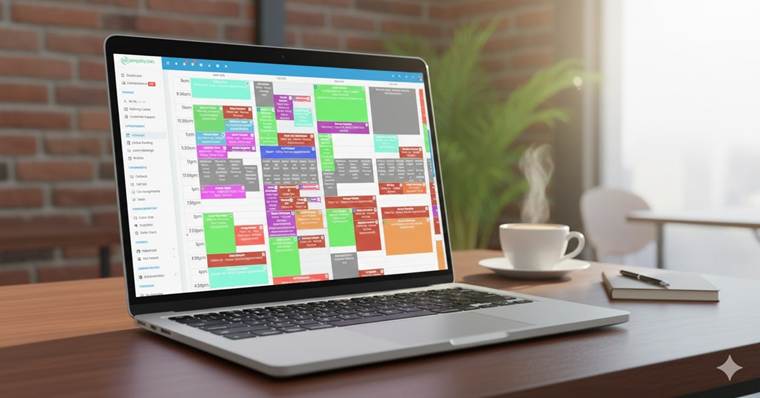
“Because I’m also running a busy brick-and-mortar practice,” says Potter, “the goal has always been simple: make the software feel like a helpful staff member, not another system people have to fight with.”
Amplify OMS aims to reduce staff load through smart defaults, dashboards that show what matters, and workflows that keep patients moving forward proactively — including patient education, excellent service, and making sure opportunities for technology upgrades don’t slip through the cracks.
Why Noah ES?
Amplify OMS has long offered Noah integration. And in 2025, Amplify OMS chose to also support for Noah ES as well. The reasons were obvious.
“Noah has been the backbone of audiology workflows for a long time,” says Potter, “and Noah ES is clearly the direction the industry is heading.”
In particular, Amplify OMS wanted their users to get the benefits of a cloud-based Noah environment without breaking their daily flow. Integrating with Noah ES means clinicians can stay inside Amplify OMS for operational work while still having seamless access to fitting and audiology data in a secure, modern Noah platform.
“The biggest benefits we expected were cleaner clinical workflow (less jumping between systems),” continues Potter. “Better data continuity between clinic operations and fitting, cloud accessibility for modern practices and multi-location teams, and future-proofing our users as Noah continues evolving.”
Integrating the Right Way
From first technical conversations to stable production rollout, the integration was a multi-month project. However, the integration timeline wasn’t due to roadblocks so much as making sure it was rock-solid in real-world clinic conditions.
“We didn’t have major showstopper problems, but like any deep integration, there are always edge cases — permissions, workflow nuance, and making sure data mapping is clean across different clinic styles,” states Potter. “Overall, the HIMSA team was responsive and the process was structured. The key was tight communication and lots of real-world testing.”
What is your Overall Impression of Noah ES?
“Very positive,” states Potter. “Noah ES feels like a thoughtful modernization of something the industry already trusts. It’s a real move toward cloud-first audiology, and that matters for where practices are going — remote support, multi-location coordination, and simpler IT overhead.”
Specifically, Potter appreciates the following Noah ES features.
Cloud-based access and flexibility. Practices don’t want to manage servers anymore. Noah ES helps clinics operate more like modern healthcare businesses. Example: a multi-location clinic can access consistent fitting data without fighting local machine setups.
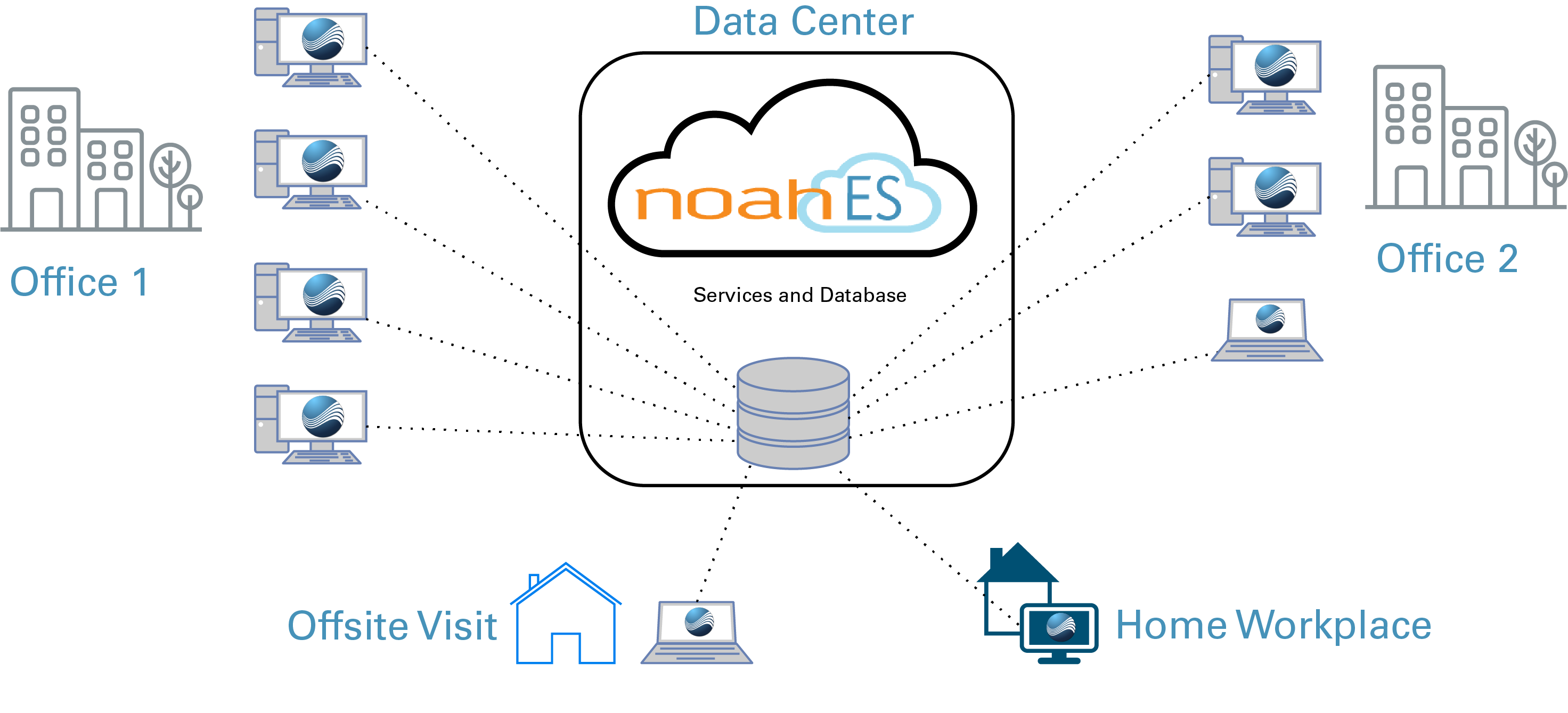
Cleaner long-term data management. Having fitting/audiology data centralized in a secure cloud environment makes continuity of care easier, especially for returning patients or transfers between providers.
Integration-friendly direction. From a vendor standpoint, Noah ES is built with interoperability in mind. That’s good for clinics because it enables tighter workflow between fitting and practice operations.
Industry standard with momentum. Noah ES is the platform manufacturers and clinics are aligning around. That gives practices confidence they’re working inside an ecosystem that will keep improving.
Speaking of improvements…
What future improvements would Potter like to see?
“I would love to see even more streamlined cross-system workflows,” says Potter. “The closer Noah ES and PMS platforms can feel like a single continuous workflow, the better. Any reductions in clicks, context switching, or duplicate navigation help staff and clinicians immediately.”
Potter would also love more configurable automation hooks, so PMS systems like Amplify OMS can automate follow-ups even more intelligently. And he thinks it would be great if changes made to hearing instruments in fitting software could be summarized by an LLM and then sent back as a summary for automatic inclusion in merged session and appointment notes.
Would you recommend Noah ES integration?
“Yes — especially for practices already thinking long-term,” stresses Potter. “Clinics that want to modernize, reduce IT headaches, and keep their workflows compatible with the broader industry direction should absolutely consider it.”
Potter sees Noah ES as a smart and necessary evolution. Hearing care is moving toward cloud tools, deeper interoperability, and more automation. Noah ES supports that shift and makes it easier for vendors to build better, more connected clinic experiences.
“From my perspective as both a practice owner and a software builder, that alignment is good for everybody — especially patients.”

 HIMSA
HIMSA